
Discount or running costs: why −30 % on an appliance can cost more than −10 %
With washing machines, fridges and dryers the price is not decided by the percentage on the label but by ten years of electricity bills. Here is how to add both up.
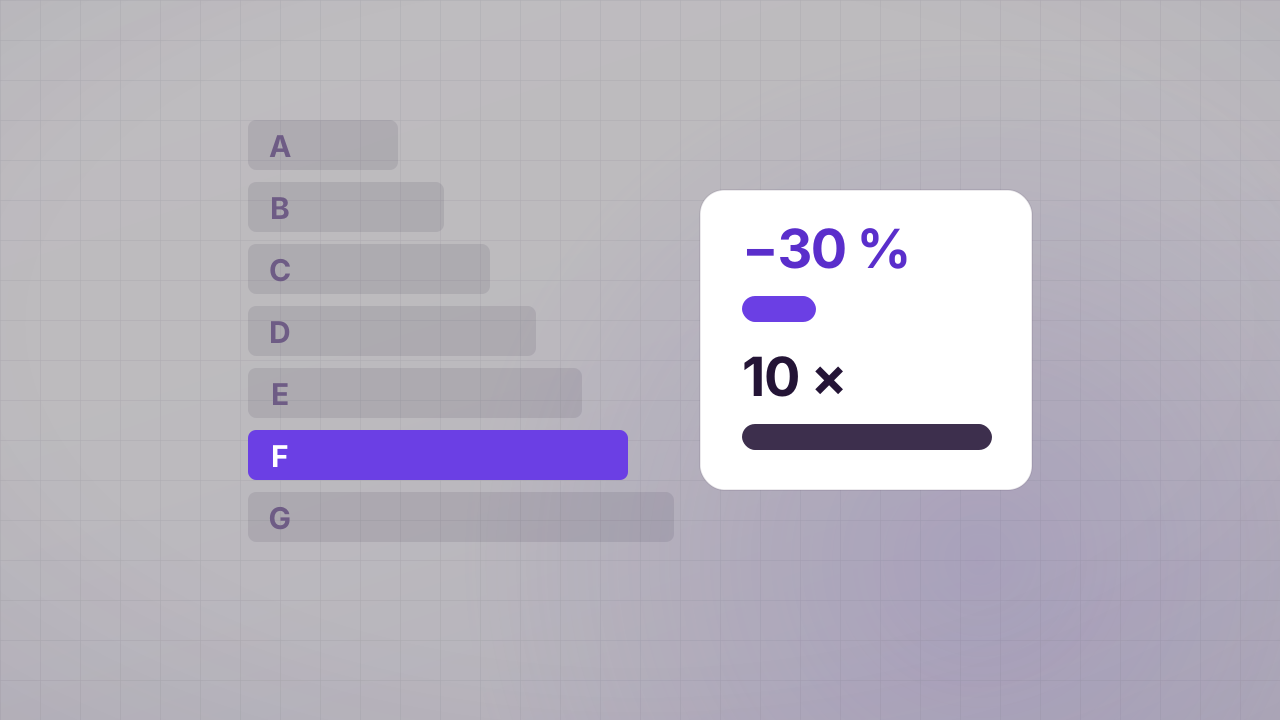
With a pair of headphones the maths is simple: you pay once, and after that they cost nothing. With a washing machine, the purchase price is only the first instalment. What follows is ten to fifteen years of electricity and water — and on large household appliances that adds up to sums that make any promotional discount look small. Which is exactly why, for appliances, the percentage on the price tag is the worst advisor of all.
The discount happens once, the electricity bill happens every year
An example of the kind you meet in every promo week: two washing machines, both 9 kg, both from a well-known brand. One normally costs €700 and is reduced to €490 — a hefty −30 %. The other costs €720 and is reduced to €650, a meagre −10 %. The case looks closed.
It isn't, the moment the energy label enters the picture. If the cheaper machine sits two or three efficiency classes lower, the extra consumption eats up the €160 price difference over the service life — and then keeps costing you. Consumer advice bodies put the saving of an efficient appliance over an inefficient one at roughly €80 to over €100 per year, depending on the appliance type. Across twelve years of use that is a four-figure sum, and it appears nowhere in the offer.
The rule of thumb that follows is inconvenient but reliable: for anything that runs continuously or heats, the efficiency class beats the discount. For anything you use rarely and briefly, it is the other way round.
What the EU energy label really tells you — and what it doesn't
Since the 2021 rescaling, the label runs from A to G again, without the old "A+++" star inflation. That was a deliberate tightening: class A is set so strictly that almost no appliance reaches it. A fridge rated C or D is not a bad appliance on today's scale, it is solid mid-field. Comparing an old label with a new one therefore compares nothing at all.
More important than the letter is the kilowatt-hour figure printed right below it — it appears on every label and is the only number you can actually calculate with. For washing machines it refers to 100 cycles, for cooling appliances to one year, for dishwashers to 100 programme runs. That number is what you need, not the colour of the bar.
The ten-year calculation in three steps
- Read off the annual consumption. Cooling appliances state it directly (kWh/year). For washing machines and dishwashers, convert: consumption per 100 cycles ÷ 100 × your cycles per year. Washing three times a week works out at roughly 150 cycles.
- Multiply by your electricity price. Use the price on your last bill, not the tariff from an advert. That gives you the running cost per year.
- Multiply by ten and add the promo price. The result is the only price that matters. Always compare two appliances on that total — never on the receipt.
If one appliance consumes €60 more per year, that is €600 over ten years. A discount has to put €600 on the table just to break even. On a €500 appliance it simply cannot.
15 %
Median discount across all running offers
7 %
of offers reach 40% or more
100
discounted offers analysed
Live sample of 100 current Home Appliances offers from your Amazon marketplace. The distribution shifts by the hour — which is why the ranking matters, not the individual percentage.
The distribution above shows why the calculation is needed in the first place: large household appliances almost never move into spectacular discount territory. Margins are thin, the goods are bulky, and promotions typically land in the mid percentage range. Anyone waiting for −50 % on a washing machine usually waits in vain — while continuing to pay the old machine's electricity bill in the meantime.
Not every appliance justifies the effort
The ten-year calculation is not worth doing everywhere. Prioritise like this:
- Always calculate: fridge and freezer (running 8,760 hours a year), tumble dryer (the single biggest consumer among household appliances), washing machine and dishwasher.
- A quick estimate is enough: oven, induction hob, extractor hood. Relevant, but weekly usage time is modest.
- Just take the best price: kettle, toaster, handheld vacuum, blender. Here the purchase price is effectively the whole bill, and the discount rightly decides.
When repairing beats every discount
The cheapest deal is regularly the one you don't take. If your appliance still works and is younger than about eight years, replacing it is rarely economical — discount included. Only from roughly ten years of age does the efficiency gap grow large enough for the replacement to pay for itself through running costs. And a repair costing less than about a third of the new price is almost always the better maths for a mid-life appliance than any offer.
Home Appliances: what is currently above 30%
Picked from your marketplace's running feed: the deepest discounts with a credible rating behind them. Still check the price history before you buy.

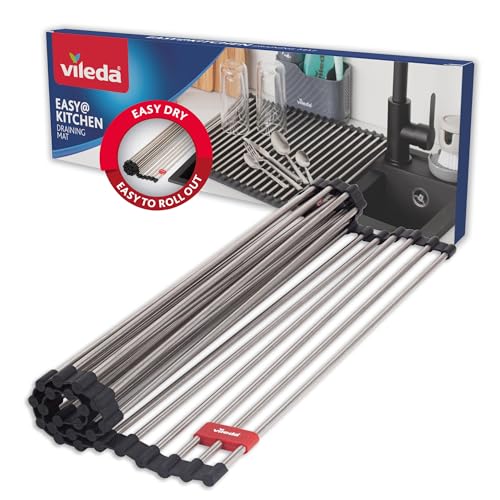
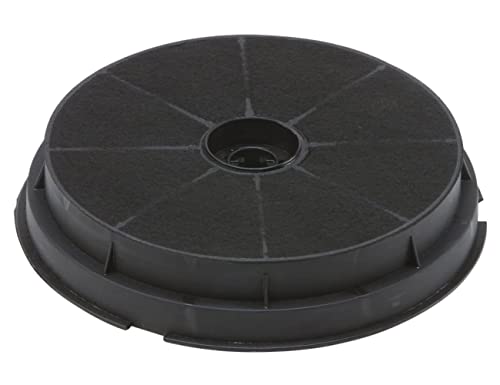
With these offers, check the energy label and the kilowatt-hours first — then do the ten-year maths. A full overview of everything currently running is in our household appliances category.
Frequently asked questions
Is a class A appliance always worth it? No. On rarely used appliances the premium for the top class can exceed the saving over the service life. Do the maths instead of collecting letters.
I don't know my exact electricity price — is an estimate enough? For comparing two appliances, yes. The price largely cancels out in a comparison; what decides is the difference in kilowatt-hours.
What about water consumption? For washing machines and dishwashers it is on the label too. It usually weighs less than electricity, but it belongs in the calculation when the decision is close.
When are household appliances cheapest? Around the big promotional days and at model changeovers — which on last year's model is often cosmetic, yet moves the price noticeably.
* Prices incl. VAT, plus shipping if applicable. Prices may have changed since the last update; the current price on the merchant’s site applies. Real-time updates are not technically possible.
About the author
Yahya Bolat
Redaktion · hyped4you
You might also like
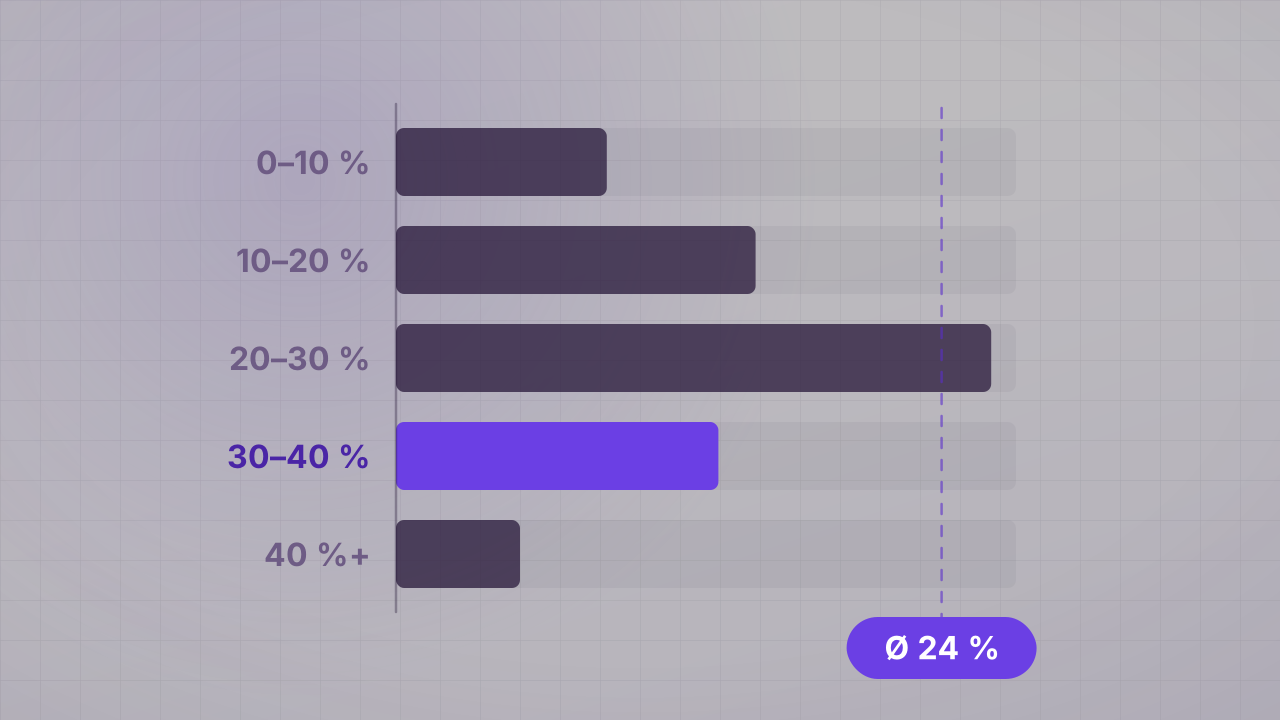
When is a discount actually big? A look at how discounts are distributed
20% off sounds small, 50% off sounds huge. But how rare big discounts really are only becomes clear from the spread across the live offer feed — shown here for your marketplace.
How to spot fake discounts: catch inflated was-prices in 2 minutes
70% off sounds fantastic — until you realise nobody ever paid the crossed-out price. These five checks let you spot inflated reference prices before they cost you money.