
Console, accessory, game: why every gaming product group has its own discount rhythm
Consoles almost never drop in price, accessories drop brutally, games follow a calendar and subscriptions only go up. Knowing the three rhythms buys the same setup for far less.
"I'll wait for a deal" is not a strategy in gaming, it's a question: wait for which one? Wait for a console and you usually wait for nothing. Wait for a headset and you wait a few weeks and save half the price. Wait for a subscription and you end up paying more than before. Gaming is not one category with one pricing behaviour — it's three product groups with three completely different curves.
Consoles: the discount that never comes
Consoles are the opposite of a bargain market. The hardware price is a strategic price, not a market price: it is set by the platform rather than determined by competition, and it hangs off a business model that earns through games and subscriptions — not through the box. That is why console prices often fall only in a handful of small steps across an entire lifecycle. In recent years they have even gone up in some regions.
What you get instead are bundles. At the same price, a game suddenly comes with it, or a second controller, or a stretch of subscription time. Economically that is the real console discount — just delivered as an add-on rather than as a percentage. For you this means:
- Never count consoles in percent, count them in the value of what's in the box. A bundle containing a game you were going to buy anyway is a real €60 to €80 discount. A bundle with a game you don't care about is worth nothing.
- Bundles cluster around the known dates — Sony traditionally bundles around "Days of Play" in early summer, Nintendo and Microsoft follow for the Christmas season.
- "−10 % on a console" is already a very good price in the console market. The same number on an accessory would be a bad joke.
Accessories: this is where the actual saving lives
Accessories follow the perfectly normal rules of consumer electronics retail — and those are aggressive. Headsets, keyboards, mice, controllers, monitors and SSDs come from many competing manufacturers, carry high list prices and are routinely cut by 30 to well over 60 % during promo weeks. During the big shopping days, gaming accessories are reliably one of the most heavily discounted product groups of all.
That has two consequences. First: the list price of an accessory is fiction. A headset with an "RRP of €149" that is available for €69 three times a year costs €69 — everything above that is a matter of waiting. Second: precisely because the discounts run so deep, waiting genuinely pays here. With accessories, patience is money; with consoles, it is wasted time.
23 %
Median discount across all running offers
14 %
of offers reach 40% or more
100
discounted offers analysed
Live sample of 100 current Entertainment offers from your Amazon marketplace. The distribution shifts by the hour — which is why the ranking matters, not the individual percentage.
The distribution above comes from your own marketplace feed and covers games, console accessories and gaming peripherals. Compare it with what you see under household appliances or furniture: the field is shifted noticeably to the right. That spread is exactly why one and the same percentage means something completely different in two categories.
Games and subscriptions: the calendar beats chance
Games are the most predictable part. Their price follows a curve that hardly ever surprises: full price at release, a first noticeable cut after around three months, then steps in the rhythm of the big sales — spring, summer, Black Friday, turn of the year. If you don't have to play a game in its first week, you often pay half for the same title six months later, and a quarter after two years.
With physical copies there is an extra effect: retail needs shelf space, so disc versions fall faster and deeper than the digital edition in the platform store. If you can use both, always check both prices.
Subscriptions run the opposite way. They don't get cheaper, they get more expensive — PlayStation Plus tiers were last raised in May 2026. The only reliable saving on subscriptions therefore isn't in the subscription itself but in gift cards and membership codes, which retailers discount regularly. Buying a twelve-month card on sale and redeeming it freezes the old price for a year.
What this means for your basket
Summed up as a decision aid:
- Console: buy it when you need it. Only wait for a bundle whose extras you genuinely want.
- Accessories: never buy at list price. Build a wishlist and wait for the next promo window — 30 to 50 % is the norm here, not the exception.
- Games: buy by the calendar, not on impulse. Three months of patience is usually worth a third of the price.
- Subscriptions: never renew at store list price; use discounted gift or membership cards instead.
Entertainment: what is currently above 40%
Picked from your marketplace's running feed: the deepest discounts with a credible rating behind them. Still check the price history before you buy.


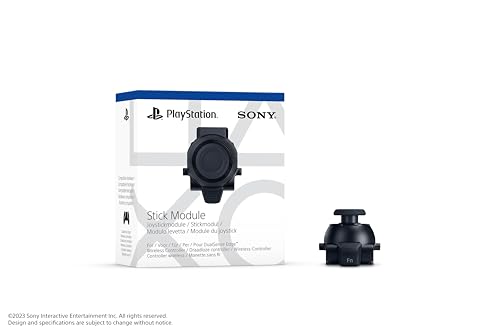
The three offers above come live from your region's feed and change constantly. The full stock is in our entertainment category — games and gaming accessories sit there together.
Frequently asked questions
Why are consoles almost only ever "discounted" with an add-on? Because the hardware is sold close to manufacturing cost. A genuine price cut would break the platform's maths — an add-on costs it considerably less than the same amount in cash.
Are no-name accessories worth buying on offer? For mechanical parts subject to wear — controllers, keyboards — the review base and spare-part supply matter more than the percentage. For simple things like charging docks or storage there is little against the cheapest supplier.
When is the best moment to buy a complete setup? Split it up: the console when you need it, peripherals in the next big promo window, games continuously out of the sales. Buying everything on one day is the most expensive route.
Are sale prices in the platform store real discounts? Mostly yes — the reference there is the store price itself, which is stable. That does not hold for accessories at retail: there the struck-through price is often an RRP nobody pays.
* Prices incl. VAT, plus shipping if applicable. Prices may have changed since the last update; the current price on the merchant’s site applies. Real-time updates are not technically possible.
About the author
Yahya Bolat
Redaktion · hyped4you
You might also like
Shopping calendar 2026/27: the cheapest time to buy almost anything
Prime events, Singles' Day, Black Week, January sales: know the discount calendar and you buy the same products for considerably less. All the dates, plus the best category for each event.
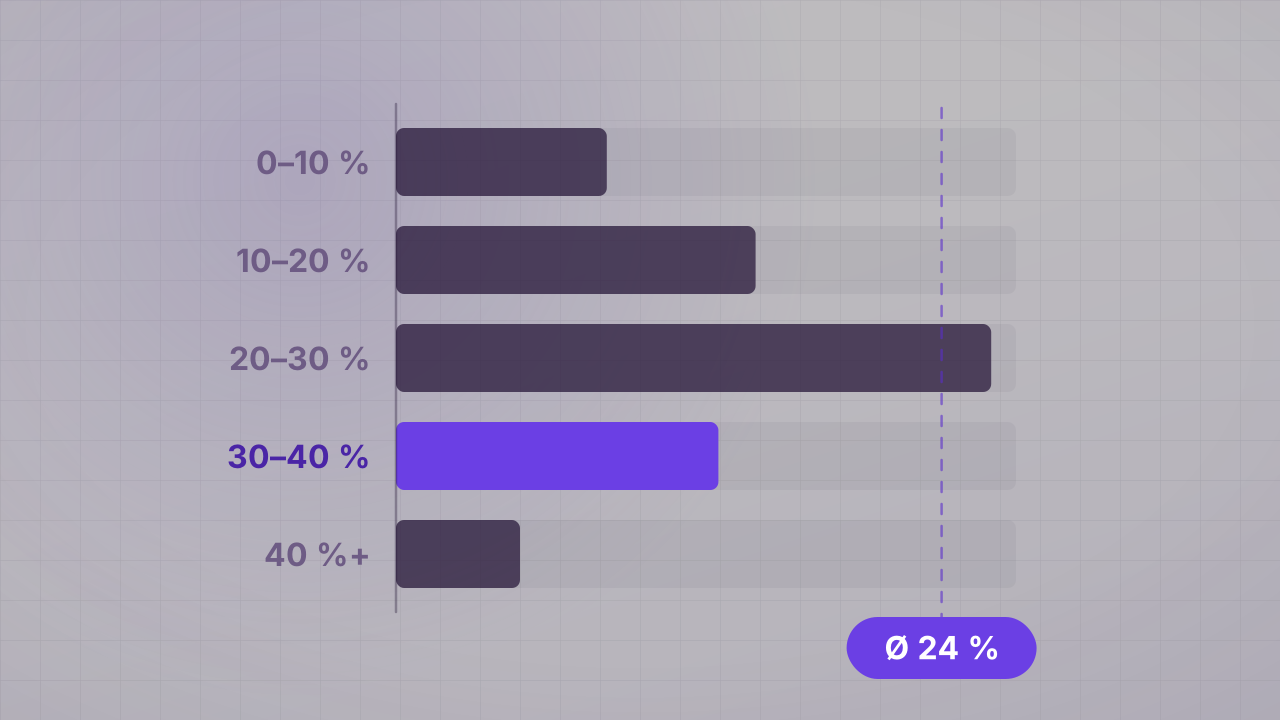
When is a discount actually big? A look at how discounts are distributed
20% off sounds small, 50% off sounds huge. But how rare big discounts really are only becomes clear from the spread across the live offer feed — shown here for your marketplace.